Conflict Resources
Service members, veterans and military families recognize that moments of combat crisis and rising global tensions can weigh heavily on hearts and minds. If you have loved ones in affected regions or find yourself impacted by ongoing news coverage, you may be feeling stress, anxiety, anger, grief or uncertainty. These reactions are natural during times of conflict and collective trauma. You are not expected to carry these experiences alone. These resources are here to support your strength, readiness and overall wellbeing as you continue to serve, protect and care for those who matter most.
Receive in-the-moment support from a licensed clinician at 888-594-9288. Our Care Advocates are available by phone 24/7/365.

Being uncertain or unsure does not mean you are lost; it simply means you are living your life.

Tips to help you cope before and during deployment.

Responses may seem unusual for you, but some reactions are not uncommon.
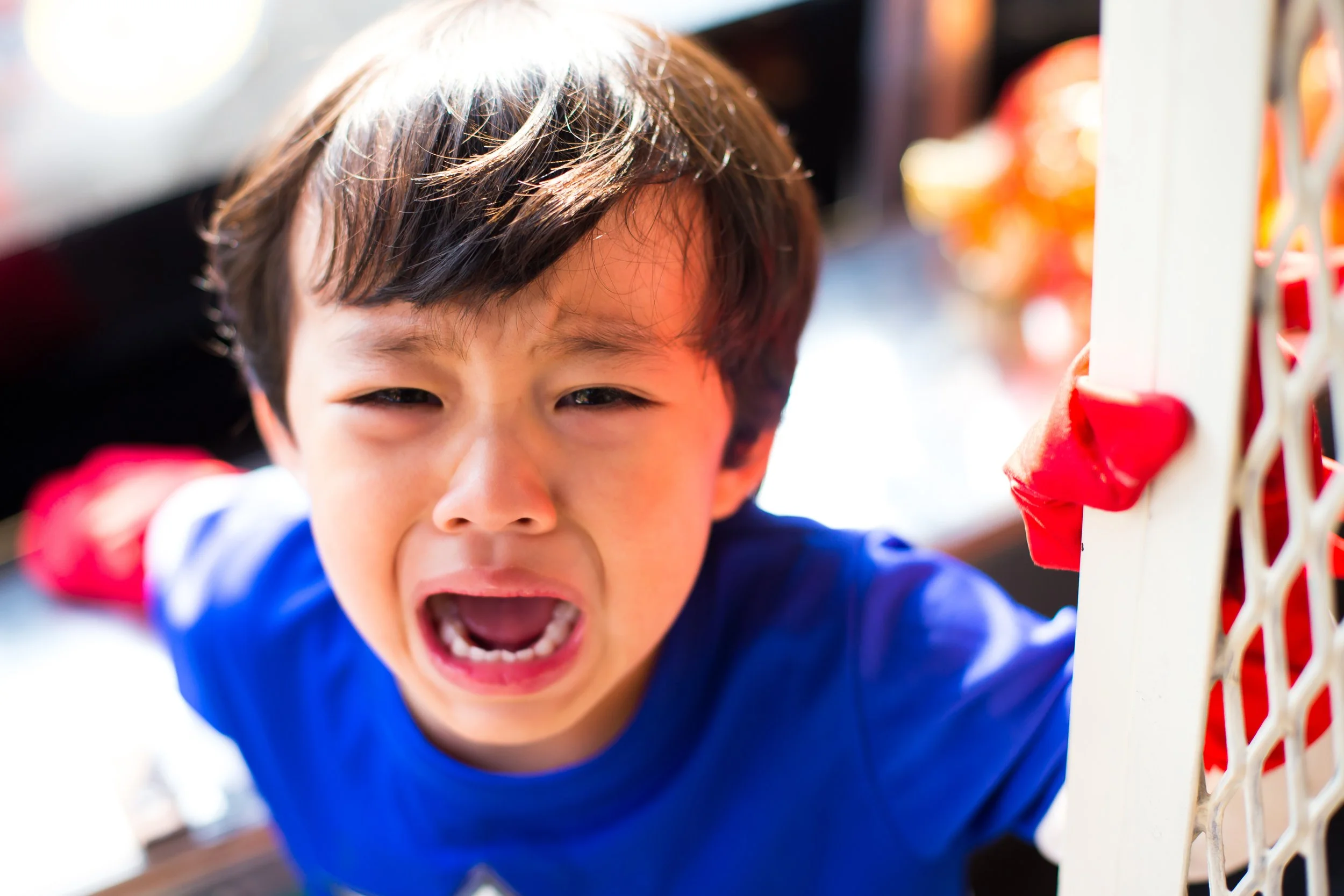
Kids may not be able to say what’s bothering them. Learn the signs.

It’s important to discuss what happened. Get insight on ways to have conversations.

You may be experiencing a wide range of emotions, including anger, uncertainty, despair, grief and numbness – each is a common reaction to trauma.

What happens to you following a distressing or traumatic incident is a personal thing.
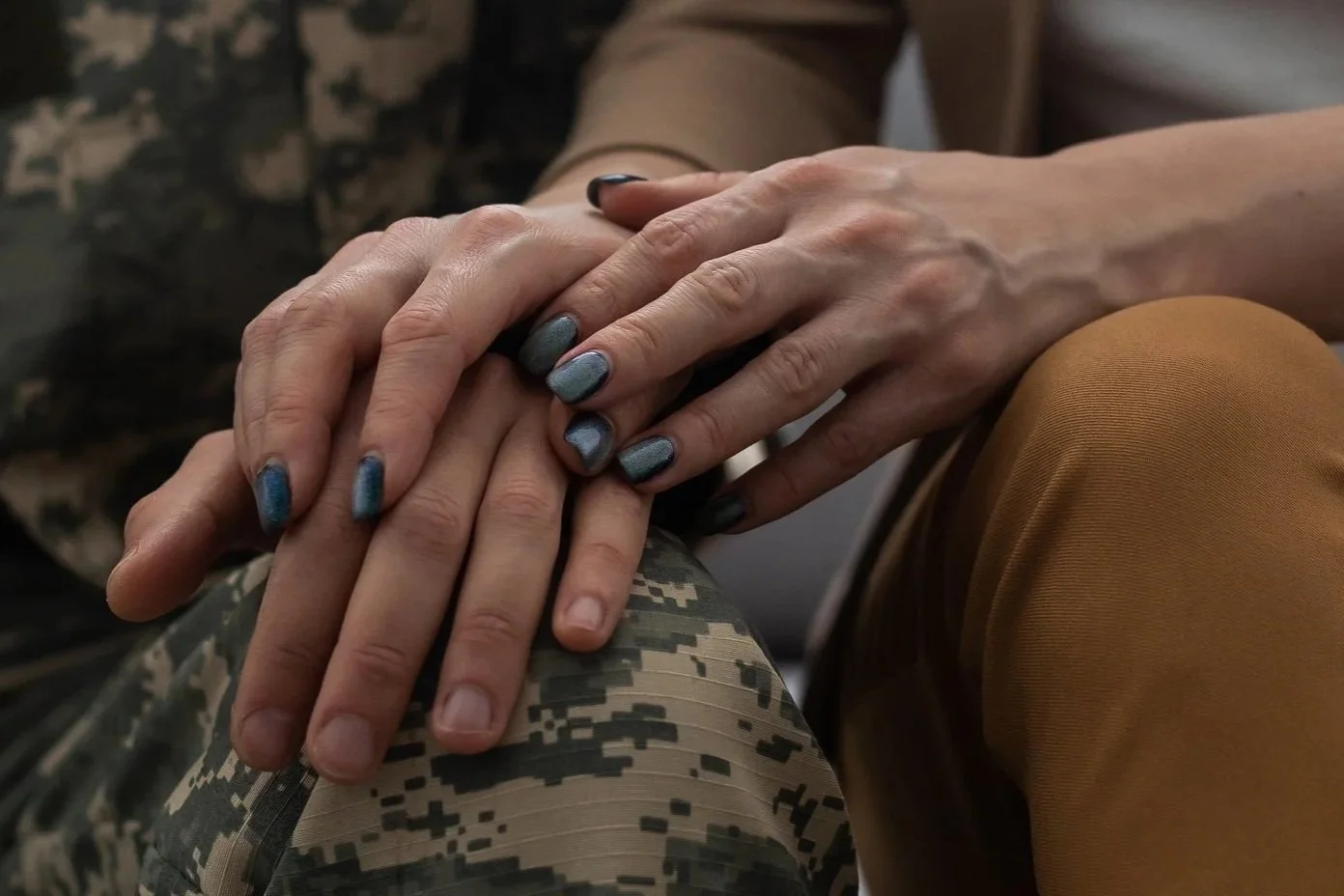
Military personnel often experience traumatic events or undergo complex challenges during their service.
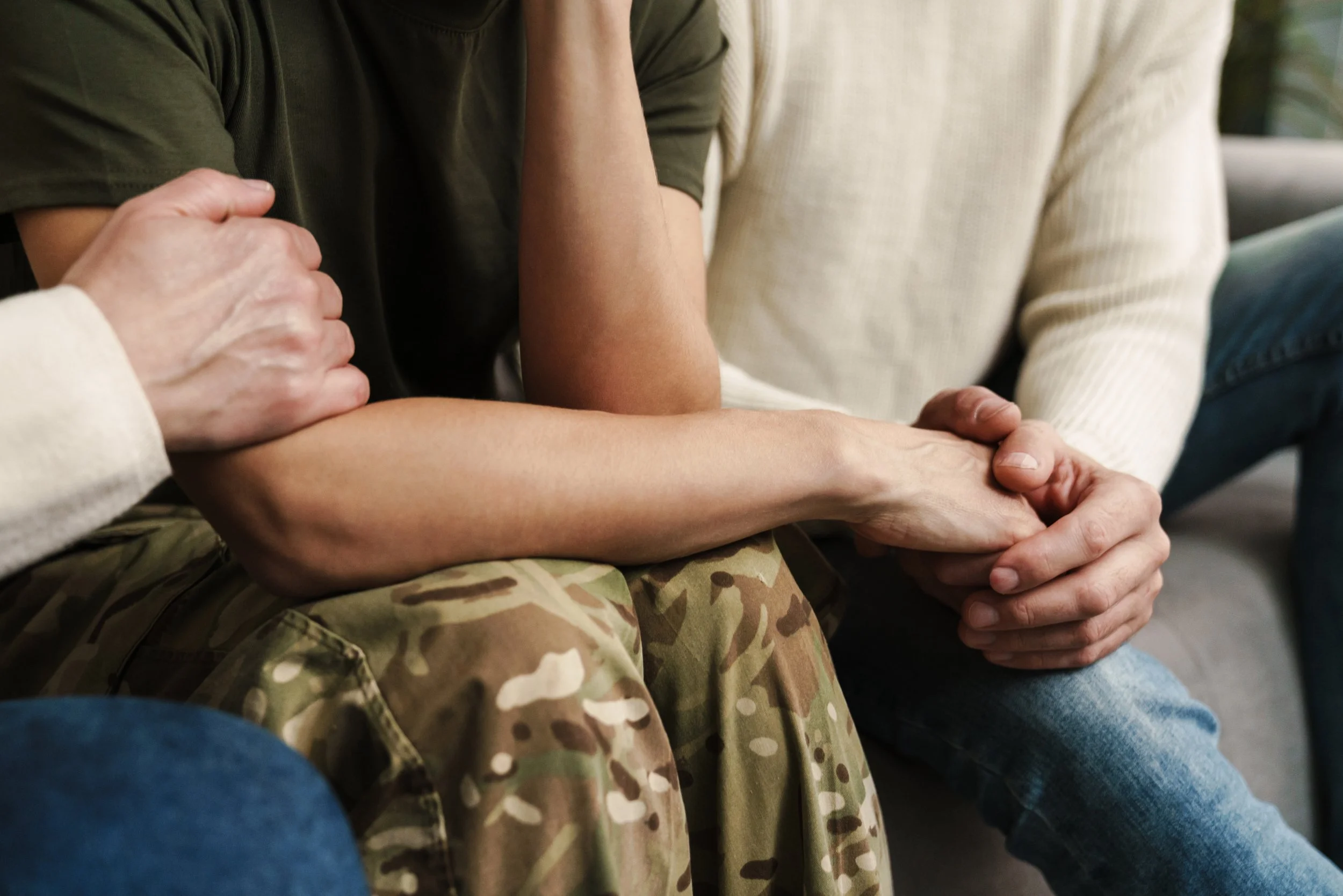
This develops when a person has experienced or witnessed a scary, shocking, terrifying or dangerous event.
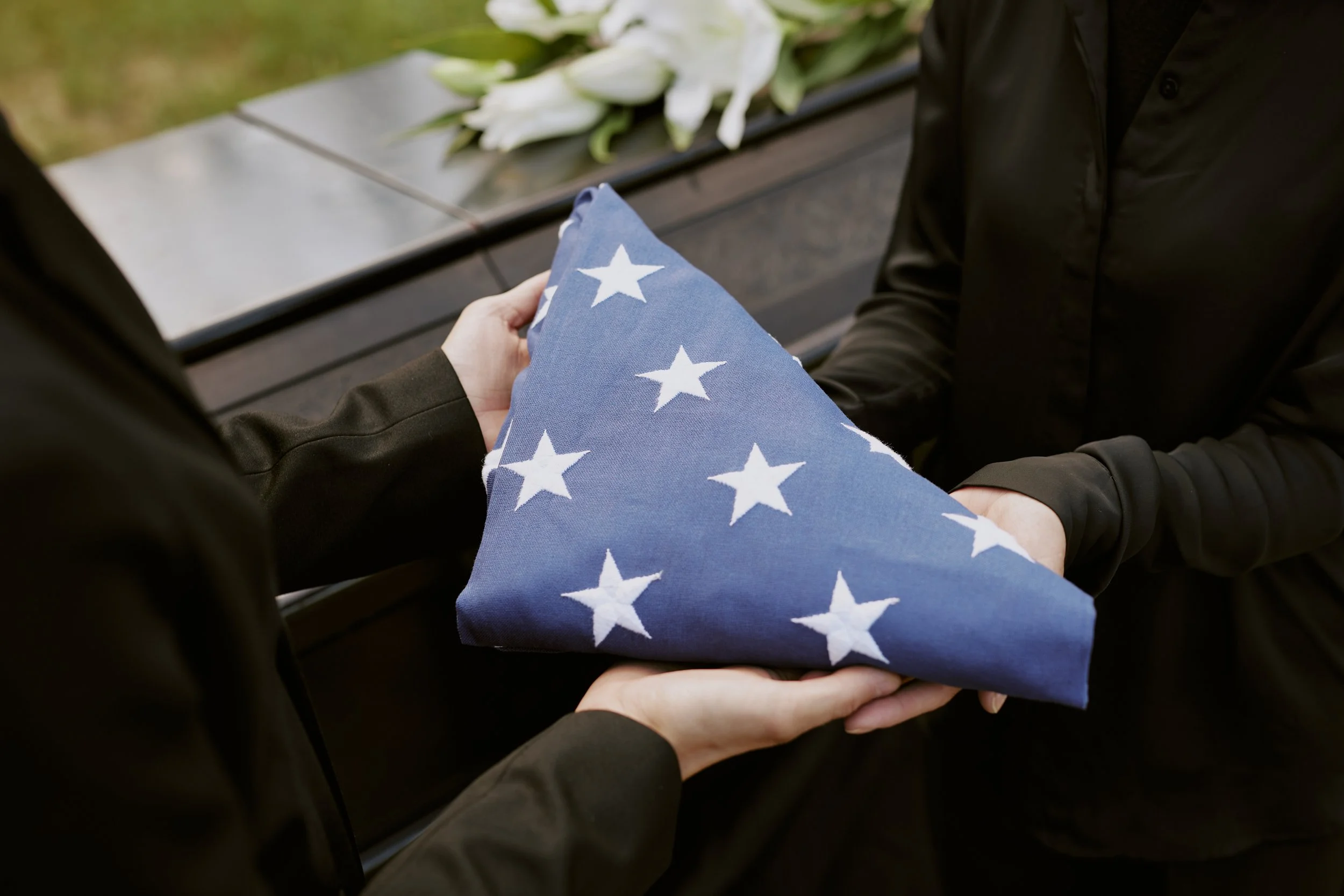
Grief is experienced when a significant loss occurs or a loved one dies.

The Servicemembers Civil Relief Act protects service members.
