
Being uncertain or unsure does not mean you are lost; it simply means you are living your life.

Responses may seem unusual for you, but some reactions are not uncommon.

You may be experiencing a wide range of emotions, including anger, uncertainty, despair, grief and numbness – each is a common reaction to trauma.

What happens to you following a distressing or traumatic incident is a personal thing.
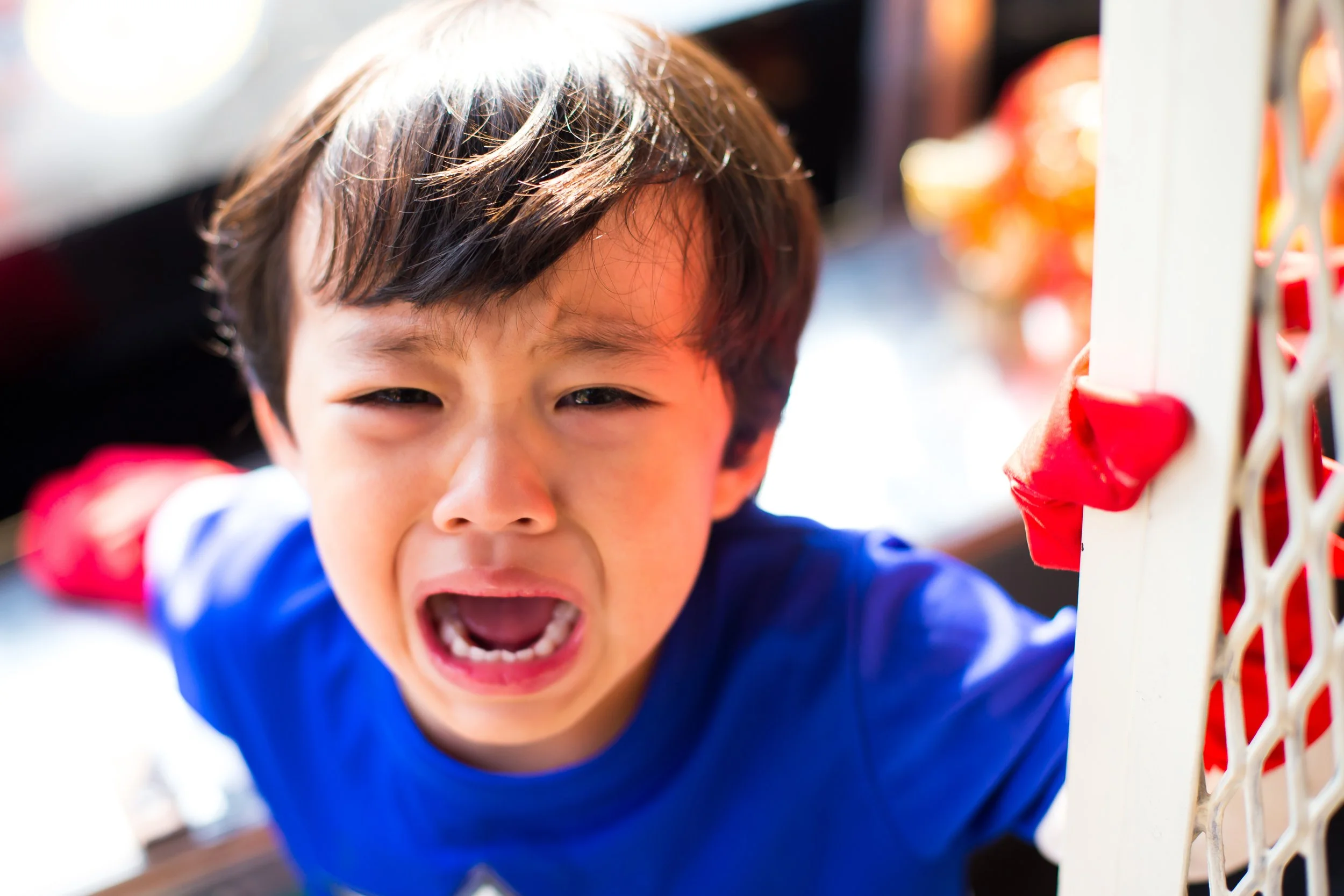
Kids may not be able to say what’s bothering them. Learn the signs.

It’s important to discuss what happened. Get insight on ways to have conversations.

There are several ways to help children make sense of local, national and world events.

Tips to help you cope before and during deployment.

This develops when a person has experienced or witnessed a scary, shocking, terrifying or dangerous event.

Grief is experienced when a significant loss occurs or a loved one dies.
